Why Ants Invade Spanish Homes
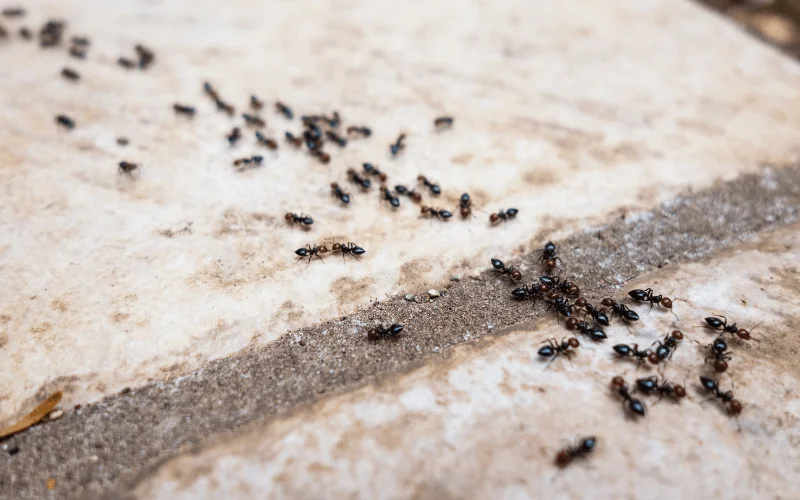
Ants are a common sight in Spain, especially during the summer months when tiny ants and larger worker ants invade homes looking for food, moisture, and shelter. While an occasional trail of visible ants might not seem like a major issue, an ongoing ant invasion can quickly escalate into a more stubborn ant infestation that affects kitchens, pet food bowls, and even outdoor terraces.
Ants are attracted to food sources of all kinds, including sugary items, starchy foods, cooking spills, and even small traces of grease. To stop ants from coming indoors, make sure to regularly wipe down kitchen surfaces, sweep crumbs, and clean around appliances where food residue builds up. Storing food in sealed containers and disposing of rubbish promptly reduces the risk of attracting ants inside, especially during the hotter months when colonies become more active. Knowing how to get rid of ants naturally can help you avoid harsh commercial options and reduce the chance of attracting other pests into the house as well.
Preventing Ants Entering Your Home
Aside from maintaining a clean kitchen, preventing ants from slipping into your home requires blocking potential entry points. Ants can move through tiny cracks in tiles, gaps around window sills, cable holes, door frames, or any unsealed openings in walls and floors. Sealing holes with caulk or filler, installing insect screens, and repairing damaged seals around doors can drastically reduce how many ants come inside.
If you want an extra non-toxic, natural way to deter ants, you can sprinkle diatomaceous earth along the exterior walls, near patio edges, or around known ant routes. This fine powder damages ants’ digestive system and exoskeleton on contact, providing an effective deterrent without harmful chemicals. It is especially useful around foundations, shaded corners, and spots where you’ve previously seen ants entering.
Taking these steps early helps prevent future ant infestations and reduces the risk of ants returning through the same routes later in the season.
Finding and Treating Outdoor Ant Nests
Ants build their colonies outdoors, often nested in soil, cracks between paving slabs, or directly beside a home’s foundation. Locating these ant colonies is key if you want to stop the whole colony from sending worker ants into your home.
Look for small mounds, trails leading through garden beds, or used coffee grounds pushed aside by ants near entry points — they often disturb loose organic material when expanding their tunnels. Once you find the nest, there are several options:
- Pour boiling water directly into the opening to kill ants quickly.
- Use a mixture of vinegar and hot water to penetrate the nest.
- Apply ant traps or terro liquid ant bait around the nest so worker ants bring the poison back to the colony.
- Create a targeted treatment using borax or boric acid mixed with powdered sugar — ants are attracted to the sweetness, and the mixture can eliminate the colony over a couple days depending on how fast the ants eat the mixture.
If the nest is very large or located under concrete, professional exterminators may be needed to fully remove the problem and prevent future infestations.
Private cover in Spain
Pick up your Sanitas quote
See a doctor or specialist privately instead of waiting your turn. Sanitas plans from €22,10 a month.
Your saved quote is ready whenever you are. Compare plans and finish in minutes.
Get a price My quotesHow Do Ants Communicate and Navigate Indoors?
Ants rely heavily on pheromones — specialised chemical signals — to coordinate movement, locate food, and guide other ants toward resources. When a worker ant finds something edible, it travels back to the nest while laying down a thin line of pheromones. Other ants detect the scent with their antennae and reinforce it, creating an invisible highway system that can last for days.
These ant trails often run along edges such as skirting boards, tile grout, and pipe openings where the scent persists longer and is less disturbed by airflow. Once established, these trails can cause repeated ants-coming-back scenarios in the same room, even after you’ve cleaned up the initial food source.
How to Break and Block Ant Trails in Your Home
Breaking pheromone trails is one of the most reliable ways to stop ants returning to the same area. Start by thoroughly cleaning the exact path ants are using, including corners, window sills, and under pet food bowls. Use a degreasing cleaner, then spray the area with white vinegar, lemon juice, or a mix of dish soap and water to strip the chemical scent.
Wiping entry points — such as door thresholds, cracks in tile grout, and cable holes — creates a barrier that forces ants to abandon their established trail. In many cases, stopping the connection between indoors and the outdoor nest is enough to disrupt the ants’ routine and prevent future ants from following the same route.
Natural Remedies to Get Rid of Ants
While many commercial products exist for killing ants, natural remedies remain a safer alternative for households with pets or children. Here are some effective, non-toxic solutions you can prepare using everyday household ingredients:
Lemon
Lemon juice is a powerful natural ant repellent because its citric acid interferes with pheromone trails. Mix one part lemon juice with water in a spray bottle and spray directly onto ant routes, door frames, and potential entry points.
Coffee
Used coffee grounds can help repel ants outdoors, and a mix of coffee and baking soda can kill ants when ingested. Baking soda disrupts the ants’ digestive system, especially when combined with sugar or coffee to attract them.
Peppermint Oil
Peppermint essential oil has a strong scent that ants avoid. Add a few drops to a spray bottle filled with water and apply it along skirting boards, windows, and known ant trails. It acts as an effective deterrent and freshens the space.
Cinnamon
Ground cinnamon works as a natural barrier that ants will not cross. Sprinkle it around window sills, entry points, and along any trail you want to block.
Vinegar
White vinegar mixed with equal parts water is excellent for removing pheromone trails and repelling ants. Spray directly onto surfaces where ants have walked.
Essential Oils
Tea tree oil, eucalyptus oil, and citrus oils provide additional natural options for repelling ants inside and outside the home. A few drops in a spray bottle are usually enough to stop ants coming through small gaps.
Bay Leaves
Bay leaves give off a scent that most ant species dislike. Place them in cupboards, behind appliances, or anywhere you’ve seen ants inside.
These natural remedies are safe, inexpensive, and effective for tackling an ant problem without harsh chemicals.
Final Thoughts
If you're dealing with an ant infestation in your Spanish home, you have a wide range of natural ways to get rid of ants naturally and prevent future infestations. By sealing holes, cleaning food sources regularly, breaking pheromone trails, and using everyday household remedies, you can stop ants from returning and enjoy a pest-free environment.
Should the infestation persist or a large outdoor colony remains active, ant traps, borax mixtures, or even professional exterminators may be necessary to eliminate the issue completely.
Stay Protected While Living in Spain
From dealing with household pests to navigating local healthcare, expat life comes with its challenges. Having the right private health insurance gives you peace of mind for whatever comes your way. Compare Sanitas health insurance plans here and find the coverage that best fits your needs today.
Getting through the Spanish summer? Read our guide to summer health risks in Spain in the Health Library.